5 Min Read
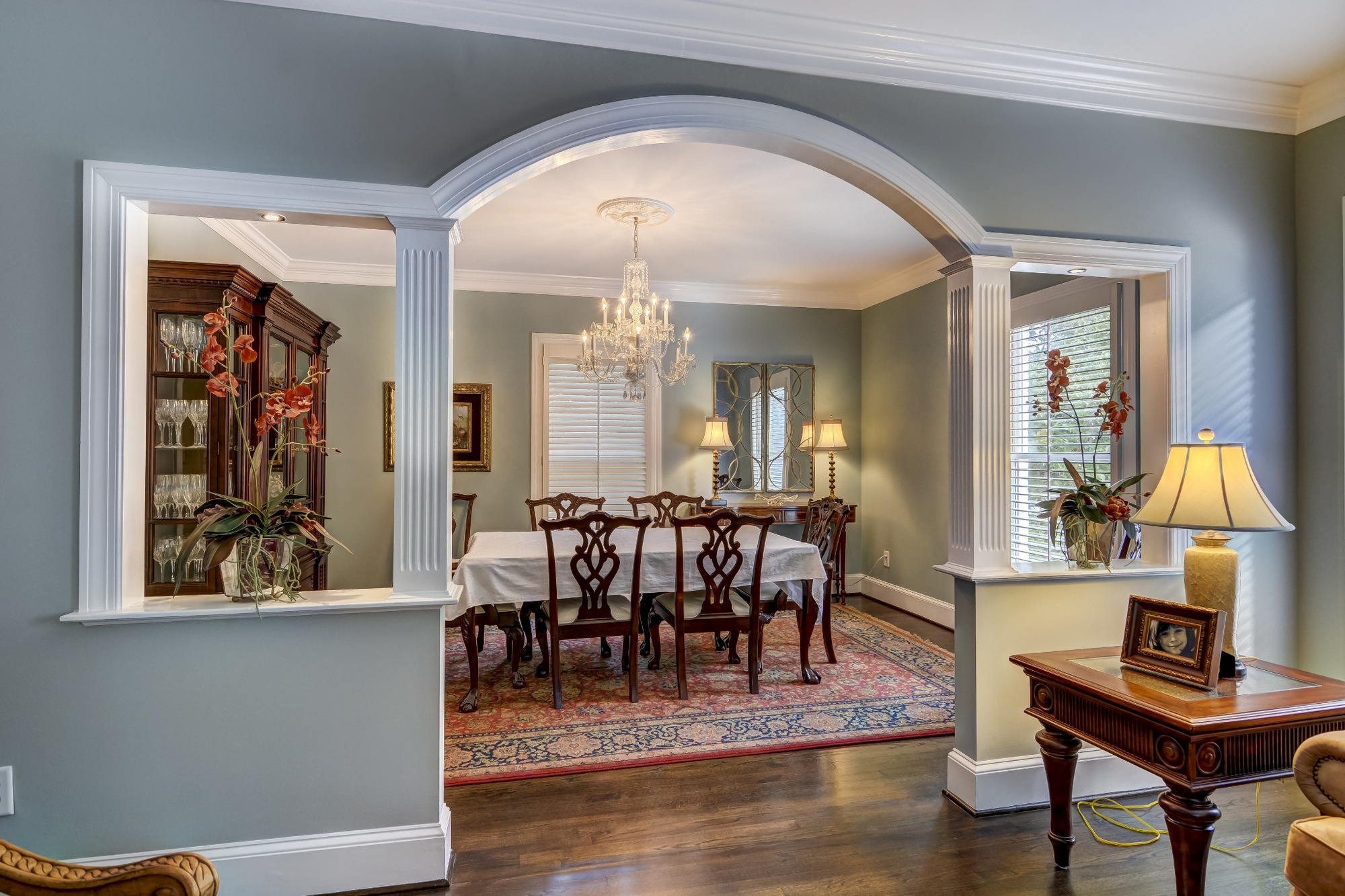
You might be thinking that the answer will depend on the homeowner. Sure, some will start with the budget, while others start with design ideas. But there's an order that will serve you best when you're planning a whole home remodel. After all, it's a pretty large project, and approaching it with a solid, ordered plan is the best way to get the outcome you're investing in.
In this blog, we explain where to start when planning a whole home remodel in Charlotte, from defining your priorities and budget to evaluating your existing space, developing a preliminary plan, and preparing for detailed design.
Table of Contents
- Start With What You Want the Remodel to Accomplish
- Establish a Realistic Investment Range Early
- Decide Whether You Need an Addition or Just a Layout Change
- Find a Remodeler Who Fits Your Project
- How 7Acre Construction Approaches Remodel Planning
- Frequently Asked Questions
1. Start With What You Want the Remodel to Accomplish
Before deciding what the remodeled home should look like, identify what isn't working in the home you have now.
Try thinking beyond individual finishes. A dated countertop is easy to identify, but a whole house remodel presents an opportunity to consider how different parts of the home work together, where space is lacking, how the layout gets in the way, and more big-picture factors.
Walk through your daily routines. Where does the house create friction? Which rooms rarely get used? Where do you wish you had more storage, natural light, privacy, or room to gather?
Your initial priorities might include:
- Opening or reconfiguring living areas
- Improving the kitchen layout
- Rethinking the primary suite
- Updating bathrooms
- Repairing or replacing aging components
- Creating additional square footage
- Updating finishes throughout the home to create cohesion
2. Establish a Realistic Investment Range Early
You don’t need to know exactly what your remodel will cost before you start planning. But you should have a sense of what you’re comfortable investing and be willing to talk about it early.
Why?
Because budget helps shape the project. It can influence everything from how much of the home you renovate to whether you rework the existing footprint, add square footage, or choose more custom finishes.
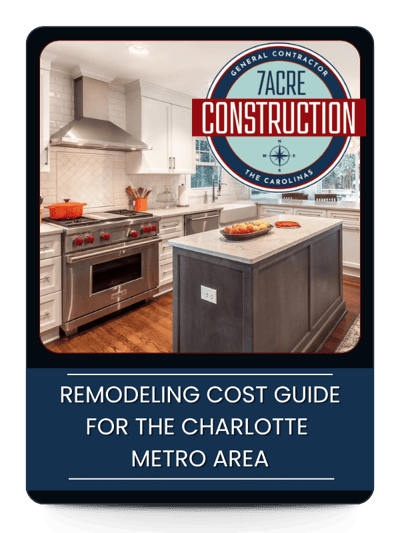
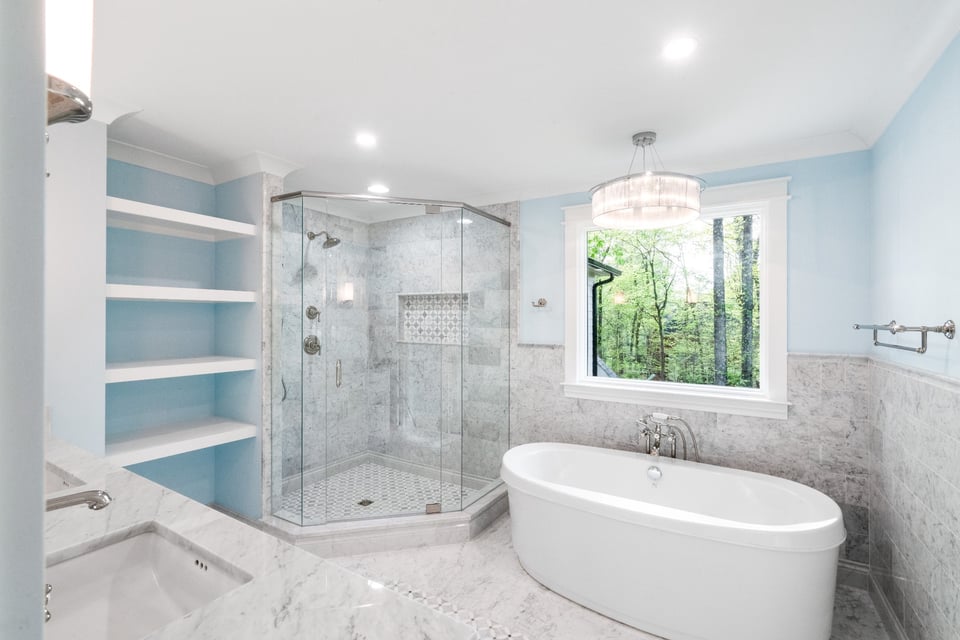
There’s also a pretty wide range when it comes to whole home remodel costs. Our cost guide puts whole house renovations at roughly $75 to $155+ per square foot, depending on the scope and level of finishes. A refresh of an existing home is a very different project from a renovation with major structural changes, additions, custom finishes, and luxury upgrades.
The goal isn’t to have every number figured out on day one. It’s to make sure the home you’re beginning to design and the amount you want to invest are heading in the same direction.
3. Decide Whether You Need an Addition or Just a Layout Change
One of the first decisions in planning a whole home remodel is whether you need to add square footage or make better use of the space you already have. Both can solve space problems, but they lead to very different project scopes, budgets, and timelines.
A layout change may make more sense if:
- Your home has enough overall square footage, but some of it isn't being used well.
- Rooms feel closed off, undersized, or disconnected because of the existing floor plan.
- Reconfiguring existing space could give you the kitchen, primary suite, storage, or living areas you need.
- Your goals can be accomplished without increasing the home's existing footprint.
An addition may make more sense if:
- Your home simply doesn't have enough square footage for what you need.
- Creating the rooms or features you want within the existing footprint would require too many compromises.
- You want to expand a kitchen, primary suite, or another part of the home beyond its current exterior walls.
- Additional living space is an important part of your long-term plans for the home.
The distinction matters because an addition will introduce work that a layout change may not, including foundation work, roofing, new exterior walls, windows and doors, and changes to mechanical, electrical, and plumbing systems.

4. Find a Remodeler Who Fits Your Project
Choosing a remodeler is about more than finding someone who can complete the work or has a pretty portfolio. A whole home remodel can involve design, structural changes, engineering, product selections, permitting, and months of construction, so you’ll want a team whose process and approach fit both your project and the way you want to work.
As you meet with potential remodelers, look for:
- Experience with whole home renovations.
Ask about projects with a scope and complexity similar to yours, not just individual kitchen or bathroom remodels. - A clear process from planning through construction.
You should understand what happens next, how the design develops, when pricing is established, and how the project moves into construction. - Design and construction working together.
For a large renovation, having design decisions developed with construction considerations in mind can help you understand the scope before work begins. - Early conversations about investment.
Look for a remodeler who is willing to discuss what you want to spend early in the process and evaluate the project with that investment in mind. - Attention to the existing home.
Whole home remodels can involve structural components, existing systems, and conditions that aren't obvious from a wish list alone. An on-site evaluation is an important part of developing the project. - Straightforward communication.
You should feel comfortable asking questions, discussing concerns, and understanding how decisions will be communicated throughout the project. - A team you feel comfortable working with.
A whole home remodel is a significant undertaking. Beyond experience and process, consider whether the remodeler listens to what you want and offers solutions based on your goals rather than pressuring you toward a particular decision.
At 7Acre Construction, our design-build process starts with a conversation about what you want to accomplish, your timing, who will be involved in the decisions, and what you want to invest. From there, an initial site visit and preliminary design and estimating process help determine whether the project, home, and investment are aligned before moving further into design.
How 7Acre Construction Approaches Remodel Planning
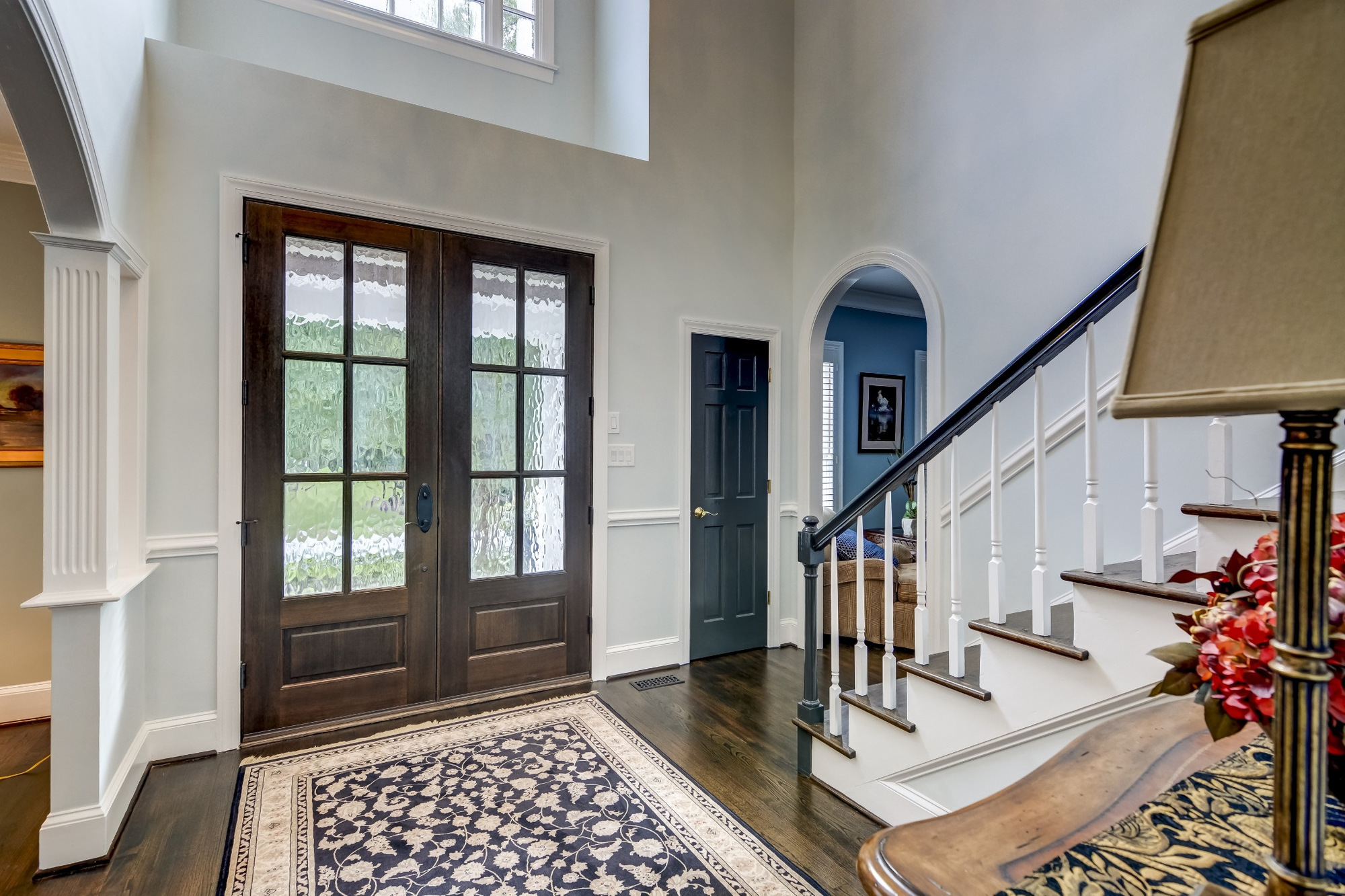
At 7Acre Construction, planning starts with a pretty simple question: Do your goals, your home, your timeline, and your investment make sense together?
We start with a conversation about what you want to accomplish. If it feels like a good fit, we’ll visit the home, then move into preliminary design and estimating before getting too far into the details.
The idea is to work through the big questions early. Answer them before you’ve invested a lot of time designing a project that may need to change.
Brian Macuga, Sr. brings more than three decades of construction experience to that process, and 7Acre works with homeowners throughout the Charlotte Metro Area, including Myers Park, Dilworth, SouthPark, Ballantyne, Matthews, Weddington, Waxhaw, Marvin, Fort Mill, and surrounding communities.
Frequently Asked Questions
Do I need architectural plans before contacting a remodeling contractor?
You do not need completed plans to begin a conversation with 7Acre Construction. The process starts with an introductory call and site visit, then moves to preliminary design and estimating, followed by more detailed drawings and engineering when needed.
Should I know my renovation budget before meeting with a contractor?
You don’t need to know exactly what your renovation will cost, but it helps to have an idea of what you’re comfortable investing. That gives your contractor a starting point for discussing what may be realistic within your budget. As the scope and design take shape, the numbers will become more specific.
Should I renovate within my existing footprint or add square footage?
That decision depends on whether your existing home can be reconfigured to provide the space and function you're looking for. Expanding the footprint introduces new-construction elements, so the possibility of additional square footage should be discussed early in design and budgeting.
It's possible that you may think you need an addition, but an experienced remodeler can assess your footprint and how you use each space, then determine a layout change will get you the space you need.
When should product selections happen during a whole house remodel?
Many of the important product selections should be made during design, before construction begins. Choosing items like cabinets, fixtures, windows, and doors early helps define the scope and reduces the number of major decisions left to make once work is underway.
Product specifications are addressed during 7Acre Construction's detailed design process before the project moves into construction. The company's process identifies specifications for critical components such as cabinets, fixtures, windows, and doors as the design is developed.
Ready to Start Planning Your Whole House Remodel?
You don't need a finished set of plans to begin exploring a whole house remodel. You do need a clear conversation about what you want to accomplish, what your home may require, and what you want to invest.
7Acre Construction helps Charlotte-area homeowners work through those questions before moving into detailed design and construction. If you're considering a whole house renovation in Charlotte, contact 7Acre Construction to start the conversation.